
What is Dyslipidemia?
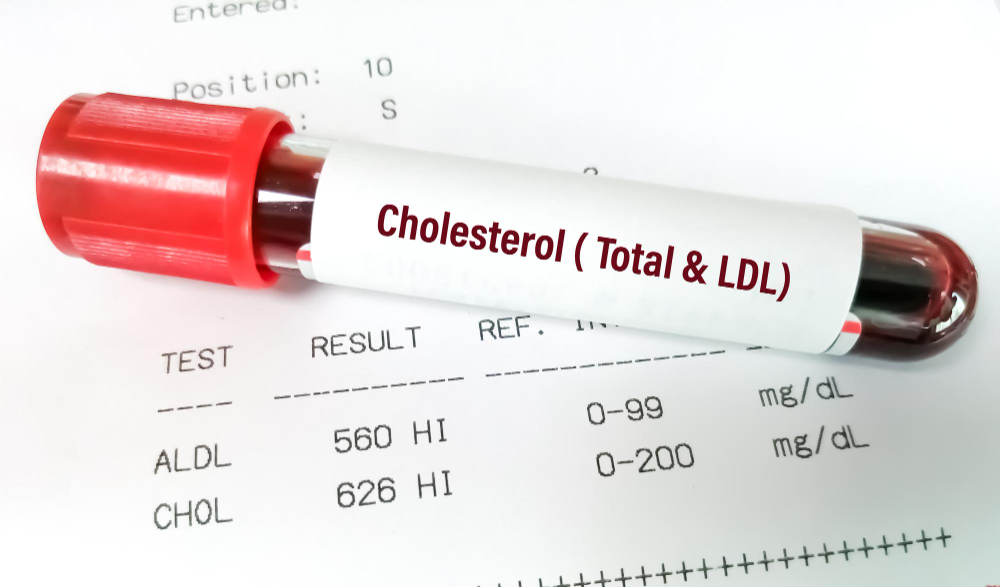
Dyslipidemia means having unhealthy cholesterol or fat levels in your blood. These fats are called lipids. For example, cholesterol and triglycerides are two main types. When these levels are too high or too low, it can lead to health problems. Often, people do not notice any symptoms. However, dyslipidemia can increase the risk of heart disease and stroke. According to the World Health Organization (WHO), high cholesterol is a major risk factor for heart disease worldwide.
Why Understanding Causes Matters
Knowing the causes of dyslipidemia helps you take steps to protect your health. If you understand what leads to high cholesterol or other lipid disorders, you can make better choices. For instance, you may change your diet or exercise habits. In addition, you can talk to your doctor about your risk. Early action can prevent serious problems later.
Main Causes of Dyslipidemia
There are several causes of dyslipidemia. Some are due to your genes, while others are linked to your lifestyle or health conditions. Let’s look at each cause in detail.
Genetic Factors
Sometimes, dyslipidemia runs in families. This is called familial or inherited dyslipidemia. If your parents or siblings have high cholesterol, you may have a higher risk. Inherited conditions, such as familial hypercholesterolemia, can cause very high cholesterol levels even in young people. Because genes play a role, you may need treatment even if you eat healthy foods.
Lifestyle Factors
Medical Conditions
Some health problems can lead to lipid disorders. For example, diabetes often causes high triglycerides and low HDL cholesterol. Hypothyroidism, which means your thyroid is underactive, can also raise cholesterol. Kidney disease is another cause. Because these conditions affect how your body handles fats, they can make dyslipidemia worse.
Medications and Other Causes
Who is at Risk?
Anyone can develop dyslipidemia, but some people have a higher risk. For example, you are at greater risk if you:
In some regions, such as urban areas in India and the United States, unhealthy cholesterol levels are more common due to diet and lifestyle changes.
How to Reduce Your Risk
Even though some causes of dyslipidemia are genetic, you can lower your risk by making healthy choices. Here are some tips:
Because early changes can make a big difference, talk to your doctor about your cholesterol levels and risk factors.
Consult your doctor or a specialist for personalized advice on managing dyslipidemia.