What is Anemia?
Anemia is a common blood condition. It happens when your body does not have enough healthy red blood cells. These cells carry oxygen to your organs and tissues. When you have anemia, you may feel tired or weak. Sometimes, you may notice pale skin or shortness of breath. Anemia can affect anyone, but it is more common in women and young children. There are many causes, but today we will focus on the 3 major causes of anemia to know.
Why Understanding Anemia Matters
Knowing about anemia is important for your health. Early signs can be mild, so people may not notice them. However, untreated anemia can lead to serious problems. For example, it can affect your heart and brain. In children, it can slow growth and learning. Because of this, learning about anemia symptoms and causes helps you seek help sooner. This can lead to better health and a stronger body.
3 Major Causes of Anemia to Know
There are many reasons why someone may develop anemia. However, three causes are most common. Let’s look at each one in detail.
Iron Deficiency Anemia
Iron deficiency anemia is the most common type worldwide. Your body needs iron to make red blood cells. If you do not get enough iron from food, or if you lose blood, you can develop this type. Women who have heavy periods or people with stomach ulcers are at higher risk. According to the World Health Organization, iron deficiency is a leading cause of anemia, especially in children and pregnant women.
Vitamin B12 Deficiency Anemia
Vitamin B12 helps your body make healthy red blood cells. If you do not get enough B12, your body cannot make enough red blood cells. This can cause vitamin B12 deficiency anemia. Some people cannot absorb B12 from food. Others may not eat enough foods rich in B12, like meat, eggs, or dairy. Older adults and people with certain stomach problems are more likely to have this type.
Chronic Disease-Related Anemia
Some long-term illnesses can cause anemia. This is called chronic disease-related anemia. For example, kidney disease, cancer, or infections can affect how your body makes red blood cells. These diseases may lower the amount of a hormone called erythropoietin, which helps make red blood cells. As a result, people with chronic illnesses often have mild to moderate anemia.
Symptoms and Diagnosis
Many people with anemia notice they feel tired or weak. However, other symptoms can appear as well. For example, you may have:
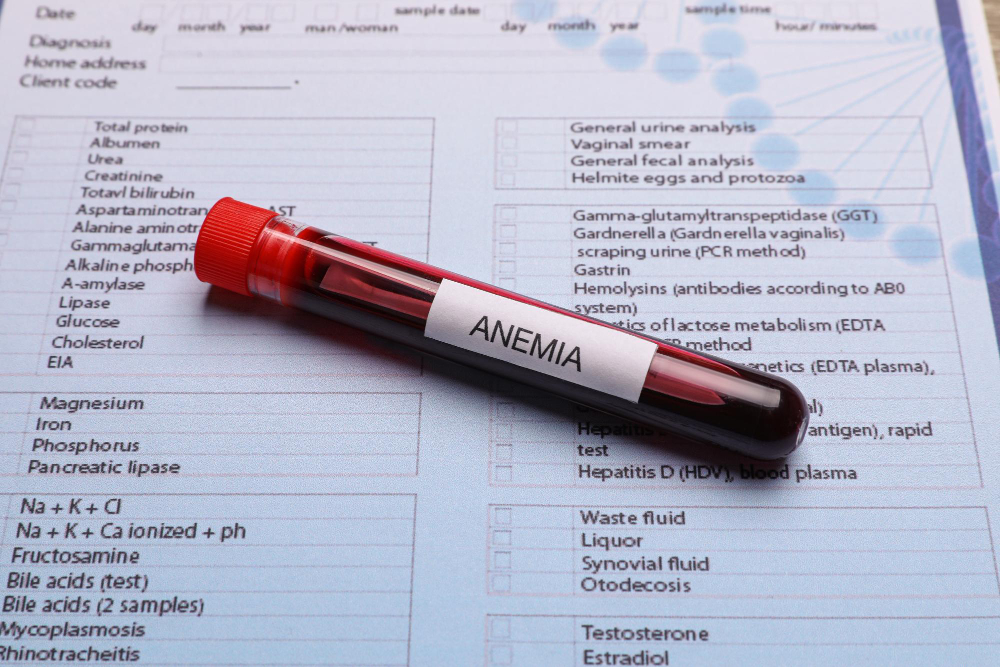
Doctors diagnose anemia with a simple blood test. This test checks your red blood cell count and hemoglobin levels. Sometimes, more tests are needed to find the cause. Early diagnosis helps you get the right treatment.
Treatment Options
Treatment depends on the cause of anemia. For iron deficiency anemia, doctors may suggest iron-rich foods or iron supplements. If you have vitamin B12 deficiency anemia, you may need B12 shots or pills. For anemia caused by chronic diseases, treating the main illness is important. In some cases, doctors may use medicines to help your body make more red blood cells. Always follow your doctor’s advice for the best results.
Prevention and Lifestyle Tips
You can lower your risk of anemia by making healthy choices. Here are some tips:
With these steps, you can help prevent anemia and stay healthy.
Consult a healthcare professional for personalized advice on anemia.