
Introduction
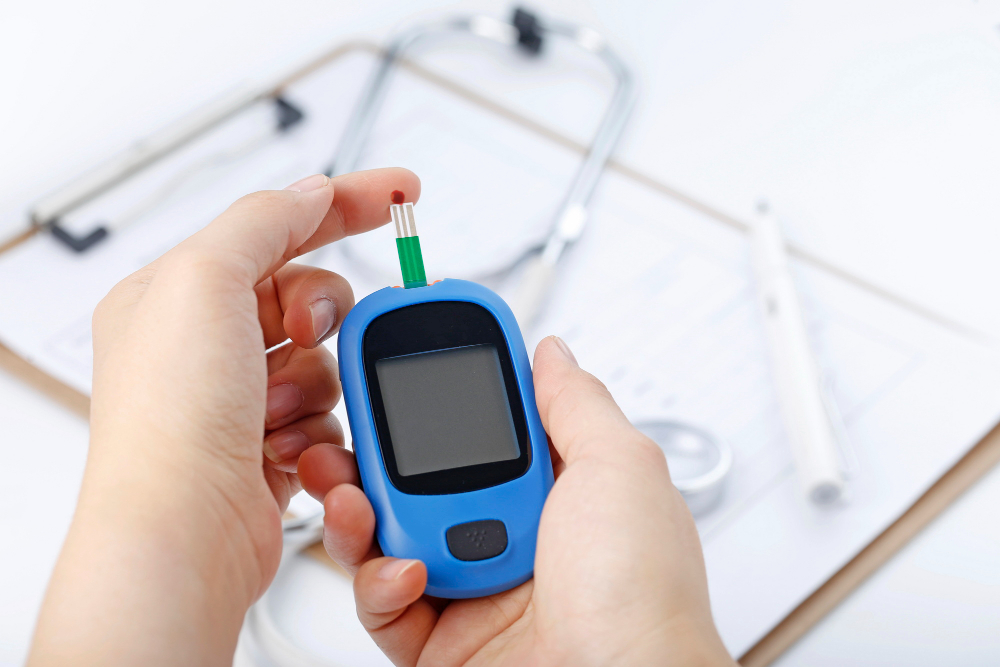
Low blood sugar, also called hypoglycemia, can happen to anyone. However, it is most common in people with diabetes. When blood sugar drops too low, it can cause serious health problems. For this reason, knowing what to do when blood sugar drops is very important. This guide explains the signs, causes, and safe management of low blood sugar. You will also learn how to prevent it and when to seek help.
What is Low Blood Sugar?
Low blood sugar means there is not enough glucose in your blood. Glucose is the main source of energy for your body. Normally, blood sugar levels should stay between 70 and 140 mg/dL. But, if your blood sugar falls below 70 mg/dL, it is considered low. This condition is called hypoglycemia. Even so, some people may feel symptoms at slightly higher levels.
Common Symptoms of Low Blood Sugar
Recognizing the symptoms early can help you act quickly. For example, you may notice:
Sometimes, symptoms can appear quickly. Therefore, it is important to act fast if you notice any of these signs.
Causes and Risk Factors
Low blood sugar can happen for many reasons. For instance, common causes include:
People with diabetes are at higher risk. However, anyone can experience hypoglycemia under certain conditions. According to the CDC, careful blood sugar management can lower your risk.
Immediate Steps to Take When Blood Sugar Drops
If you think your blood sugar is low, act right away. Quick action can prevent serious problems. Here is what you should do:
Always carry a source of sugar with you. This way, you can treat low blood sugar quickly wherever you are.
Safe Management and Prevention Tips
Managing blood sugar safely is key to avoiding hypoglycemia. Here are some helpful tips:
Additionally, talk to your healthcare provider about your blood sugar targets. They can help you create a safe management plan.
When to Seek Medical Help
Sometimes, low blood sugar can become an emergency. Seek medical help right away if:
In these cases, call emergency services or go to the nearest hospital. Quick treatment can save your life.
Conclusion
In summary, knowing what to do when blood sugar drops can keep you safe. Always watch for symptoms, act quickly, and follow your doctor’s advice. For personalized guidance on managing low blood sugar, consult a healthcare professional.