What is Acute Respiratory Distress Syndrome?
Acute Respiratory Distress Syndrome, or ARDS, is a serious lung condition. It happens when fluid builds up in the air sacs of the lungs. Because of this, the body cannot get enough oxygen. ARDS can develop quickly and often needs urgent medical care. According to the CDC, ARDS can affect people of any age. However, it is more common in adults with other health problems. Early treatment can improve the chances of recovery.
Common Symptoms of ARDS
Recognizing the symptoms of Acute Respiratory Distress Syndrome is important. While symptoms can appear suddenly, they may also develop over a few days. For example, you may notice:
Because these symptoms can be severe, it is important to seek help right away if you notice them.
Main Causes and Risk Factors
ARDS is not a disease by itself. Instead, it is a reaction to another health problem. Often, ARDS is caused by:
Some people have a higher risk of ARDS. For instance, those with chronic lung disease, older adults, or people with weakened immune systems are more likely to develop it. In addition, people who smoke or drink heavily also face higher risks.
How ARDS is Diagnosed
Doctors use several steps to diagnose Acute Respiratory Distress Syndrome. First, they ask about your symptoms and medical history. Next, they perform a physical exam. To confirm ARDS, doctors may use:
Because ARDS can look like other lung problems, doctors may need several tests to be sure.
Treatment Options for ARDS
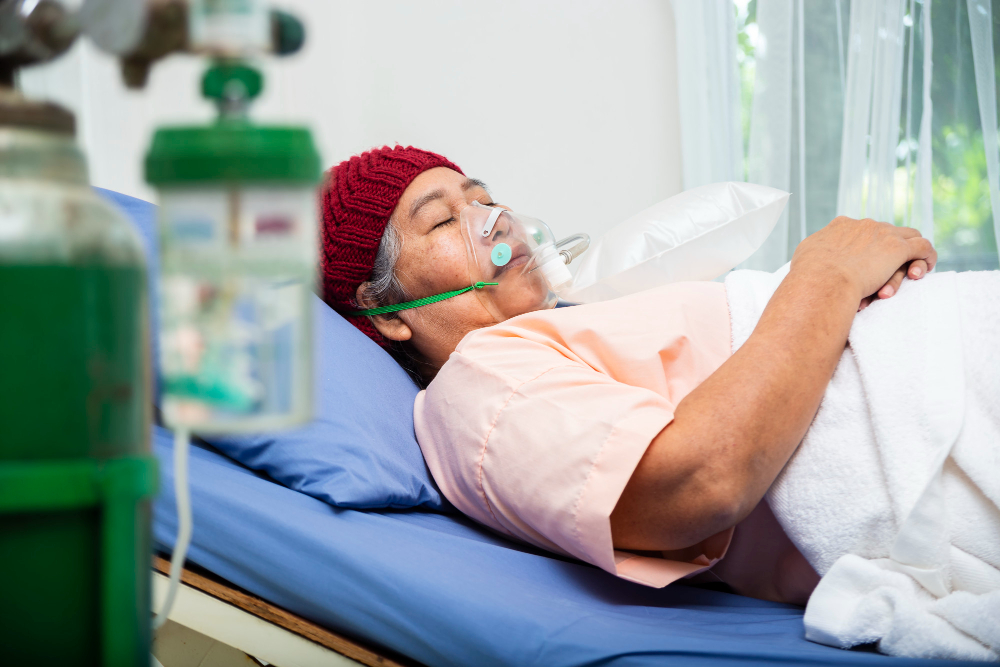
Treating Acute Respiratory Distress Syndrome usually requires hospital care. Most people with ARDS need help to breathe. For example, doctors may use:
Sometimes, doctors use special positions, like lying on the stomach, to help the lungs work better. Recovery can take weeks or months, but early treatment improves outcomes.
Prevention and Lifestyle Tips
While you cannot always prevent ARDS, you can lower your risk. For instance, you can:
Because healthy habits protect your lungs, they also reduce your risk of ARDS.
When to Seek Medical Help
If you or someone you know has sudden trouble breathing, seek medical care right away. In addition, if you notice blue lips, confusion, or severe weakness, call emergency services. Early treatment for Acute Respiratory Distress Syndrome can save lives.
For personalized advice on Acute Respiratory Distress Syndrome, consult a healthcare professional.