What is Hypertension?
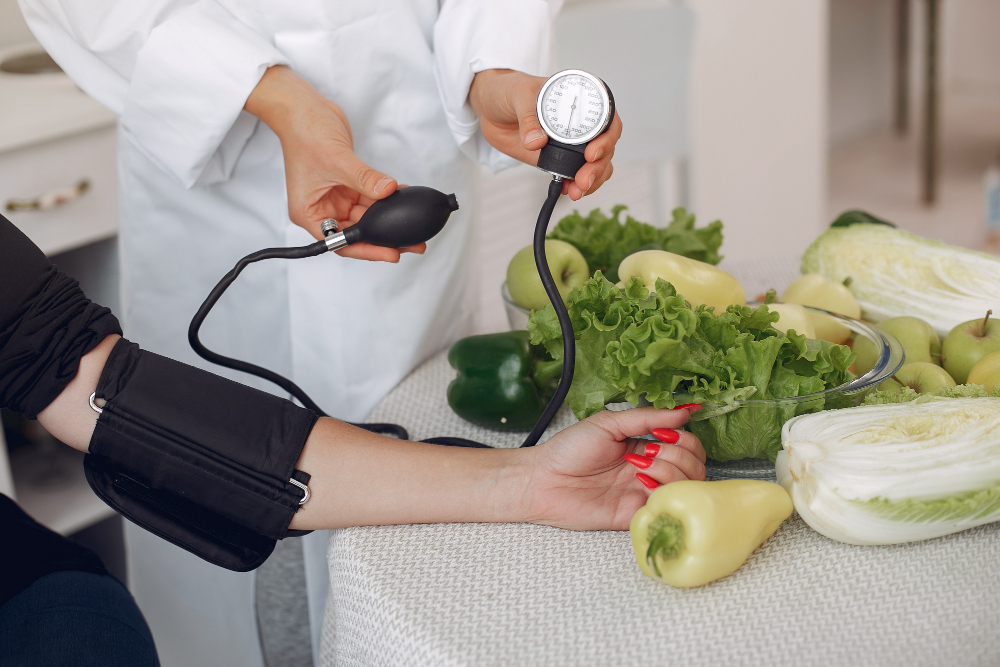
Hypertension, also called high blood pressure, means your blood pushes too hard against your artery walls. Over time, this can harm your heart and other organs. Many people do not notice symptoms. However, it can lead to serious health problems if left untreated. According to the World Health Organization (WHO), hypertension is a leading cause of heart disease and stroke.
Why Diet Matters in Hypertension
Diet plays a big role in managing hypertension. In fact, what you eat can help lower your blood pressure. For example, certain foods can make your heart stronger and your blood vessels healthier. On the other hand, some foods can raise your blood pressure. Therefore, making smart food choices is important for your health.
Key Dietary Modifications for Hypertension
Limit Sodium Intake
First, cutting back on salt is one of the most important dietary modifications for hypertension. Too much sodium can raise blood pressure. The Centers for Disease Control and Prevention (CDC) recommends less than 2,300 mg of sodium per day. For better results, aim for 1,500 mg if possible. To help reduce sodium:
Increase Potassium-Rich Foods
Next, eating more potassium-rich foods can help lower blood pressure. Potassium helps balance the effects of sodium. Good sources include:
However, if you have kidney problems, talk to your doctor before increasing potassium.
Embrace the DASH Diet
The DASH (Dietary Approaches to Stop Hypertension) diet is proven to help lower blood pressure. It focuses on foods to lower blood pressure, such as fruits, vegetables, whole grains, and lean proteins. The DASH diet also limits salt, sweets, and red meat. Many studies, including those from the National Institutes of Health, support its benefits.
Choose Whole Grains, Fruits, and Vegetables
Whole grains, fruits, and vegetables are key parts of a hypertension-friendly diet. They provide fiber, vitamins, and minerals. For example, oats, brown rice, apples, and broccoli are great choices. Try to fill half your plate with fruits and vegetables at each meal.
Reduce Processed Foods and Sugars
Processed foods often contain hidden salt and sugar. These can raise blood pressure and harm your heart. Instead, choose fresh or frozen foods without added salt or sugar. For snacks, pick nuts, seeds, or fresh fruit. Avoid sugary drinks and desserts as much as possible.
Healthy Fats and Protein Choices
Not all fats are bad. Healthy fats, like those in olive oil, avocados, and nuts, can help your heart. For protein, choose fish, skinless chicken, beans, and lentils. Limit red meat and full-fat dairy products. Instead, try low-fat or fat-free dairy options.
Sample Meal Ideas for Hypertension
Planning meals can make heart-healthy eating for high blood pressure easier. Here are some low-sodium meal ideas:
Tips for Grocery Shopping and Meal Prep
Shopping and cooking at home can help you follow hypertension diet tips. Consider these strategies:
Frequently Asked Questions
Conclusion and Next Steps
In summary, dietary modifications for hypertension can make a big difference in your heart health. By choosing foods to lower blood pressure and following simple hypertension diet tips, you can support a healthier heart. For the best results, combine these changes with regular exercise and stress management. Consult a healthcare professional for personalized dietary advice on managing hypertension.