
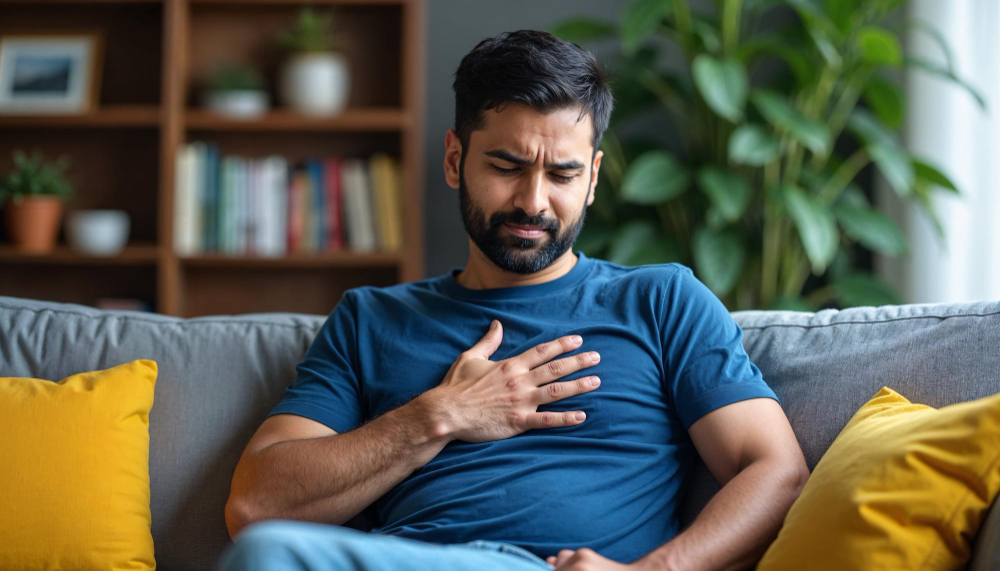
What Are Palpitations?
Palpitations are feelings that your heart is beating too fast, too hard, or skipping beats. Sometimes, you may notice a fluttering in your chest. Many people wonder if palpitations mean a heart problem or if they are caused by anxiety. In fact, both can be true. Understanding the causes of palpitations, the difference between heart palpitations vs anxiety, and when to worry about palpitations is important for your health.
Common Symptoms of Palpitations
Palpitations can feel different for each person. However, some common symptoms include:
Sometimes, palpitations come with other symptoms. For example, you may feel dizzy, short of breath, or sweaty. But not everyone has these extra signs.
Causes: Heart-Related vs Anxiety-Related Palpitations
There are many causes of palpitations. Some are linked to the heart, while others are due to anxiety or stress. Let’s look at both types.
Heart-Related Causes
Anxiety-Related Causes
Sometimes, palpitations can also be caused by certain medicines, alcohol, or smoking.
How to Tell the Difference
It can be hard to know if palpitations are from your heart or anxiety. However, some clues can help. For example, anxiety-related palpitations often happen during stress or panic. They may come with sweating, shaking, or a sense of fear. On the other hand, heart-related palpitations may happen at rest or during exercise. They may come with chest pain, fainting, or trouble breathing. Still, only a doctor can tell for sure.
Diagnosis: What to Expect from Your Doctor
If you see a doctor for palpitations, they will ask about your symptoms and health history. Next, they may check your pulse and blood pressure. Often, doctors order tests such as:
These tests help find the cause of your palpitations. According to the CDC, most palpitations are not dangerous, but it is important to rule out serious problems.
Treatment Options and Self-Care Tips
Treatment depends on the cause. If palpitations are due to anxiety, relaxation techniques can help. If they are heart-related, you may need medicine or other treatments. Here are some self-care tips:
For some, palpitations go away on their own. But for others, treatment is needed.
When to Seek Medical Help
Most palpitations are harmless. However, you should seek help if you have:
If you have any of these symptoms, call your doctor or seek emergency care right away. The World Health Organization advises not to ignore these warning signs.
Prevention and Lifestyle Guidance
You can lower your risk of palpitations by making healthy choices. For example, try to:
Also, keep regular check-ups with your healthcare provider. This helps catch any problems early.
Conclusion
Palpitations can be caused by your heart or by anxiety. While most are not serious, some need medical attention. If you experience palpitations, consult a healthcare professional for personalized advice.