What is Tuberculosis?
Tuberculosis, often called TB, is a serious infection caused by bacteria. It mainly affects the lungs, but it can spread to other parts of the body. Because TB is contagious, it can pass from one person to another through the air. According to the World Health Organization (WHO), millions of people get sick with TB each year. Although TB can be life-threatening, early diagnosis and treatment can help most people recover. For this reason, understanding tuberculosis is important for everyone.
Common Symptoms of Tuberculosis
TB symptoms can be mild at first. However, they often get worse over time. Not everyone with TB feels sick right away. Still, it is important to know the signs. Early treatment can prevent serious problems. Common symptoms include:
Sometimes, TB can affect other organs. In these cases, symptoms may include swollen glands, joint pain, or headaches. If you notice any of these signs, you should see a doctor soon.
Causes and Risk Factors
TB is caused by a type of bacteria called Mycobacterium tuberculosis. When a person with active TB coughs or sneezes, tiny droplets with the bacteria spread in the air. If you breathe in these droplets, you can get infected. However, not everyone who gets the bacteria will become sick. Some people have what is called latent TB infection. This means the bacteria are in the body, but they are not causing symptoms yet.
Several factors can increase your risk of developing TB:
Because TB spreads easily in certain settings, it is important to know your risk and take steps to protect yourself.
How Tuberculosis is Diagnosed
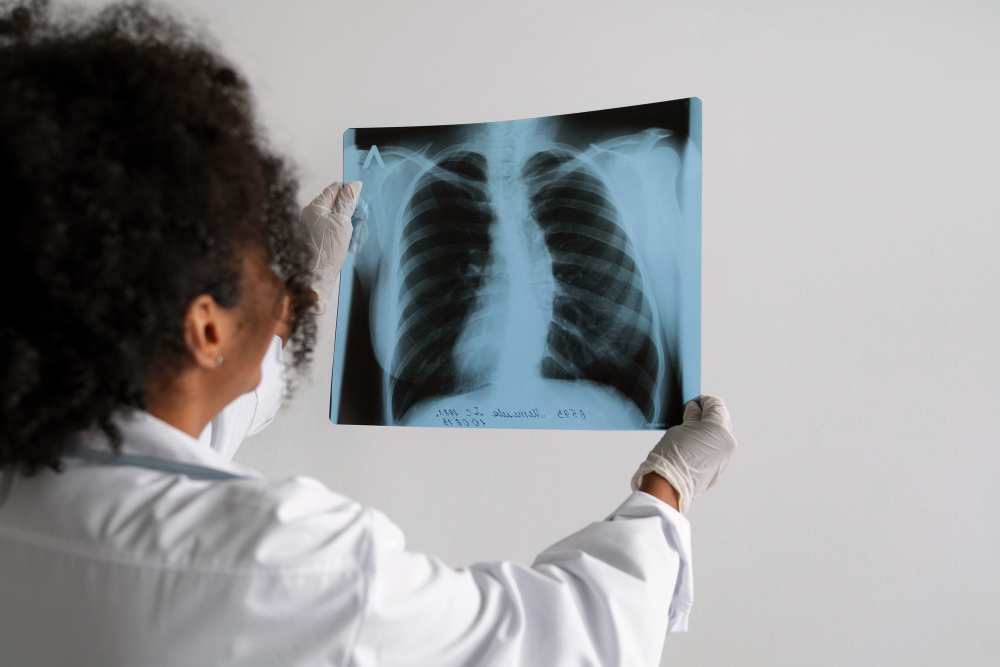
Doctors use several tests to diagnose TB. First, they will ask about your symptoms and medical history. Next, they may do a physical exam. If TB is suspected, the doctor may order one or more of these tests:
Because early diagnosis is key, you should see a healthcare provider if you have symptoms or think you have been exposed to TB.
Treatment Options for Tuberculosis
TB can be cured with the right treatment. Doctors usually prescribe a combination of antibiotics. You must take these medicines every day for at least six months. Even if you feel better, it is important to finish all your medicine. Stopping early can cause the infection to return or become harder to treat.
Here are some important points about TB treatment:
For drug-resistant TB, doctors may use different medicines and longer treatment. According to the CDC, following your doctor’s advice is the best way to recover fully.
Prevention and Lifestyle Tips
Preventing TB is possible with simple steps. If you are at risk, you should take extra care. Here are some ways to lower your chances of getting or spreading TB:
In some countries, a vaccine called BCG is given to protect young children from severe TB. However, the vaccine does not prevent all types of TB. Because TB can be serious, it is important to follow these tips and seek help if you have concerns.
In summary, tuberculosis is a serious but treatable disease. Early diagnosis, proper treatment, and prevention can help protect you and your loved ones. If you have symptoms or think you may have been exposed to TB, consult your doctor for personalized advice.